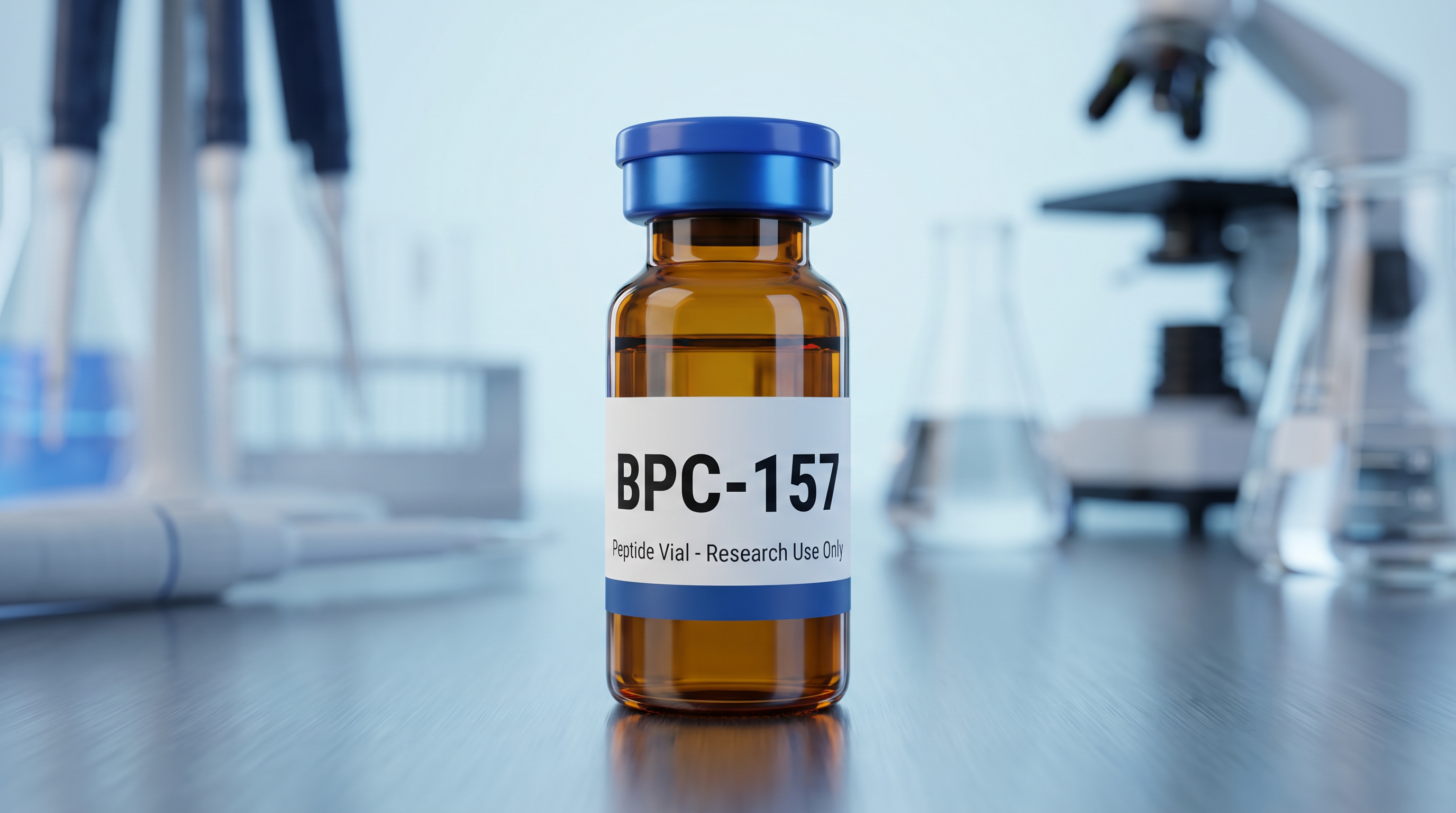
BPC-157: Mechanism, Research Status, and Supply Considerations
Article Summary
BPC-157, or Body Protection Compound 157, is a synthetic pentadecapeptide derived from a protective protein found in gas…
BPC-157 exerts its effects through multiple pathways.
The compound also demonstrates significant gastrointestinal protective effects, including the ability to counteract dama…
BPC-157 is one of the most widely referenced peptides in the repair and regenerative category. This article covers the published research, the mechanism of action, and what professional buyers should know about sourcing.
BPC-157, or Body Protection Compound 157, is a synthetic pentadecapeptide derived from a protective protein found in gastric juice. It is one of the most extensively studied peptides in the repair and regenerative category, with a substantial body of preclinical research spanning gastrointestinal healing, musculoskeletal repair, and systemic tissue protection.
Mechanism of Action
BPC-157 exerts its effects through multiple pathways. It has been shown to upregulate growth hormone receptors in tendon fibroblasts, promote angiogenesis through interaction with the VEGF pathway, and modulate nitric oxide synthesis. These mechanisms collectively support tissue repair by improving blood supply to damaged areas and accelerating cellular proliferation.
The compound also demonstrates significant gastrointestinal protective effects, including the ability to counteract damage from NSAIDs and other ulcerogenic agents. This gastroprotective activity is thought to be mediated through the stabilisation of gut mucosal integrity and modulation of local inflammatory responses.
Research Status
UK Peptide Manufacturing & Supply
Thanet Labs is a UK-based peptide manufacturing and supply facility working towards MHRA manufacturing authorisation. We are establishing supply relationships with research institutions, universities, and pharmaceutical development partners. Enquiries are welcome at this stage.
Register InterestThe majority of BPC-157 research to date has been conducted in rodent models. While the preclinical data is extensive and largely consistent, human clinical trial data remains limited. Professional buyers and practitioners should be aware that the compound is classified as a research peptide and is not approved for therapeutic use in any major regulatory jurisdiction.
Supply Considerations
BPC-157 is typically supplied in lyophilised form, requiring reconstitution with bacteriostatic water prior to use. Purity specifications for research-grade material should be 98% or above by HPLC, with mass spectrometry confirmation of molecular identity. Given the compound's sensitivity to degradation, cold-chain handling and appropriate storage conditions are essential.
When sourcing BPC-157, professional buyers should request batch-specific COAs from independent laboratories. Supplier transparency on manufacturing origin, fill and finish procedures, and storage conditions is a reliable indicator of supply chain quality.
References
- 1.Sikiric P, et al. Stable gastric pentadecapeptide BPC 157: novel therapy in gastrointestinal tract. Curr Pharm Des. 2011;17(16):1612-32.
- 2.Chang CH, et al. The promoting effect of pentadecapeptide BPC 157 on tendon healing involves tendon outgrowth, cell survival, and cell migration. J Appl Physiol. 2011;110(3):774-80.
- 3.Gwyer D, et al. Gastric pentadecapeptide body protection compound BPC 157 and its role in accelerating musculoskeletal soft tissue healing. Cell Tissue Res. 2019;377(2):153-159.